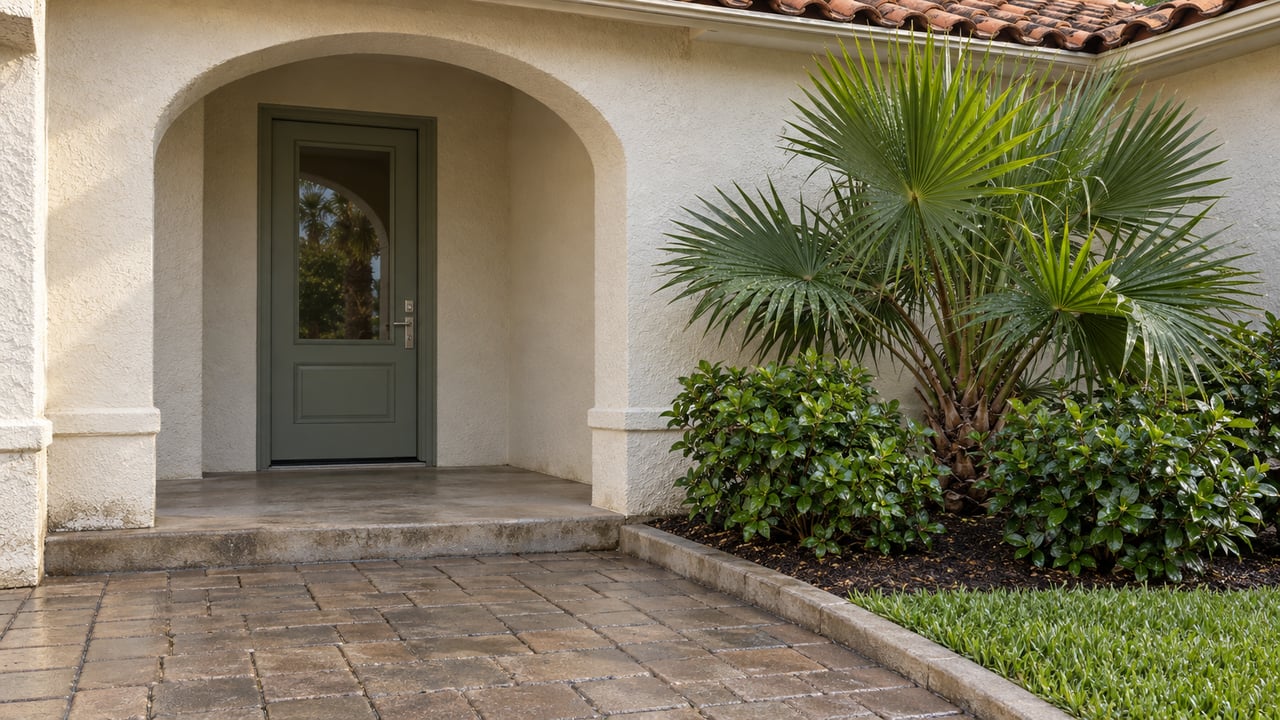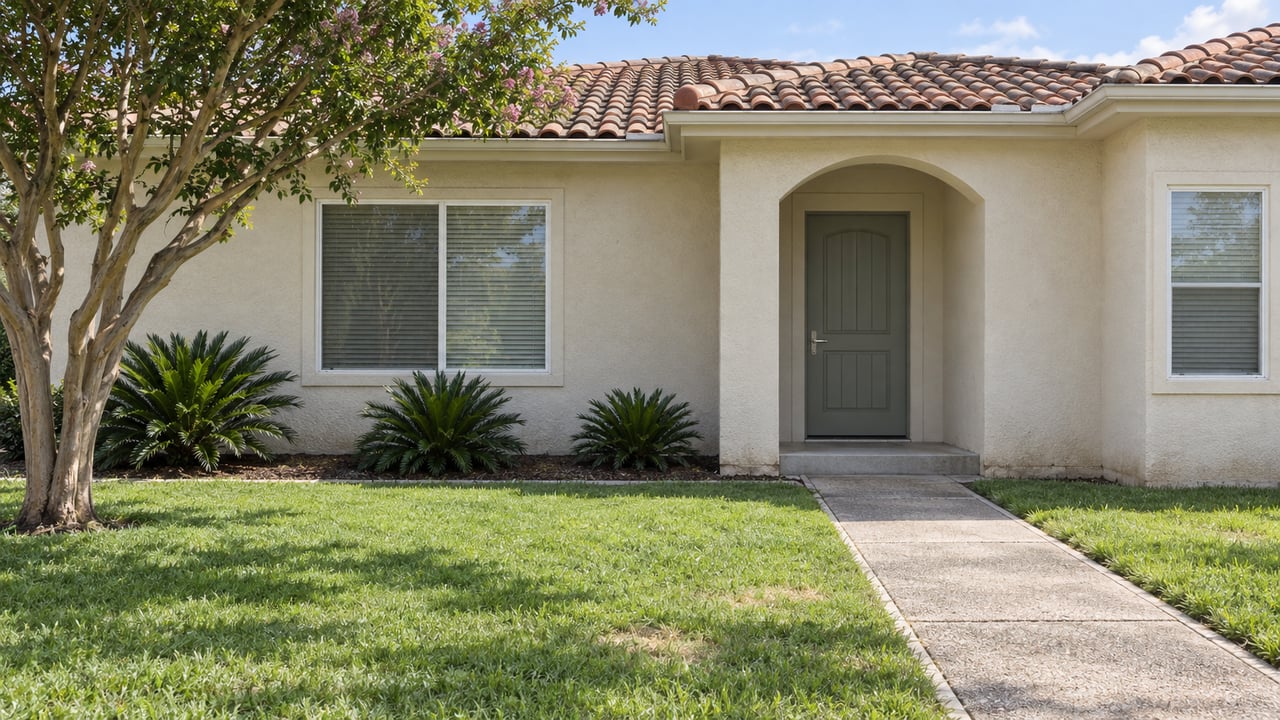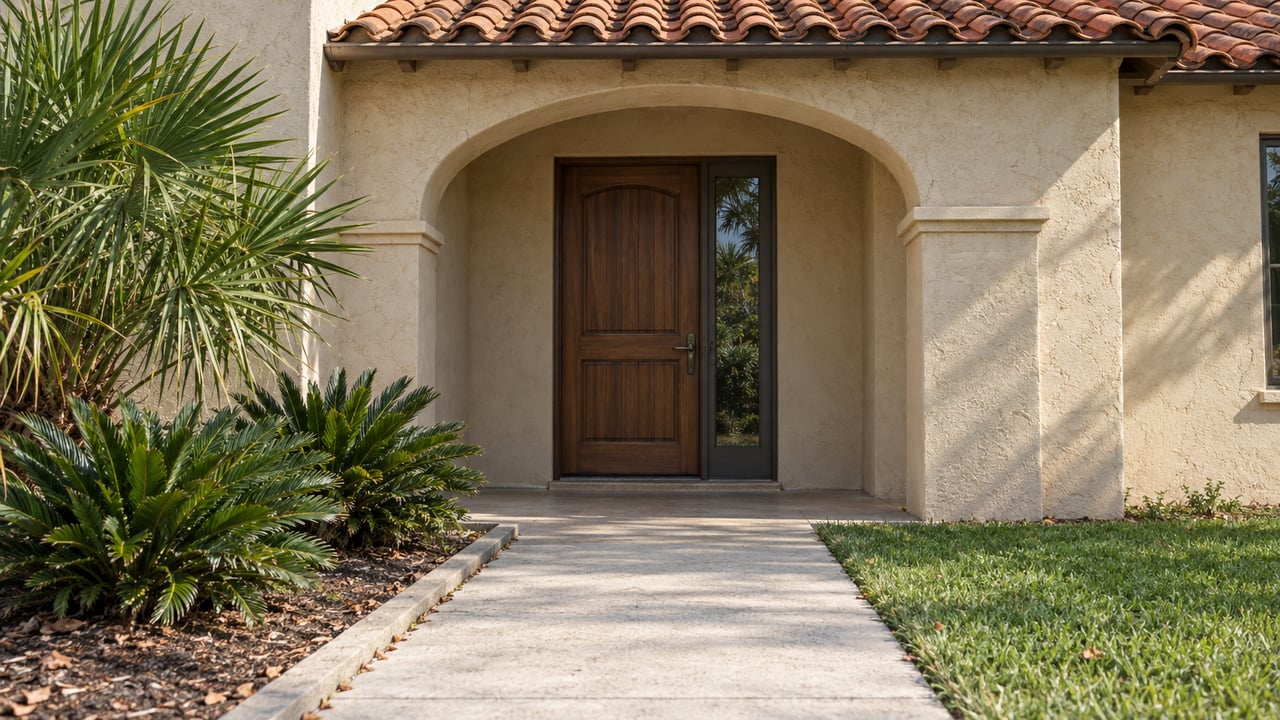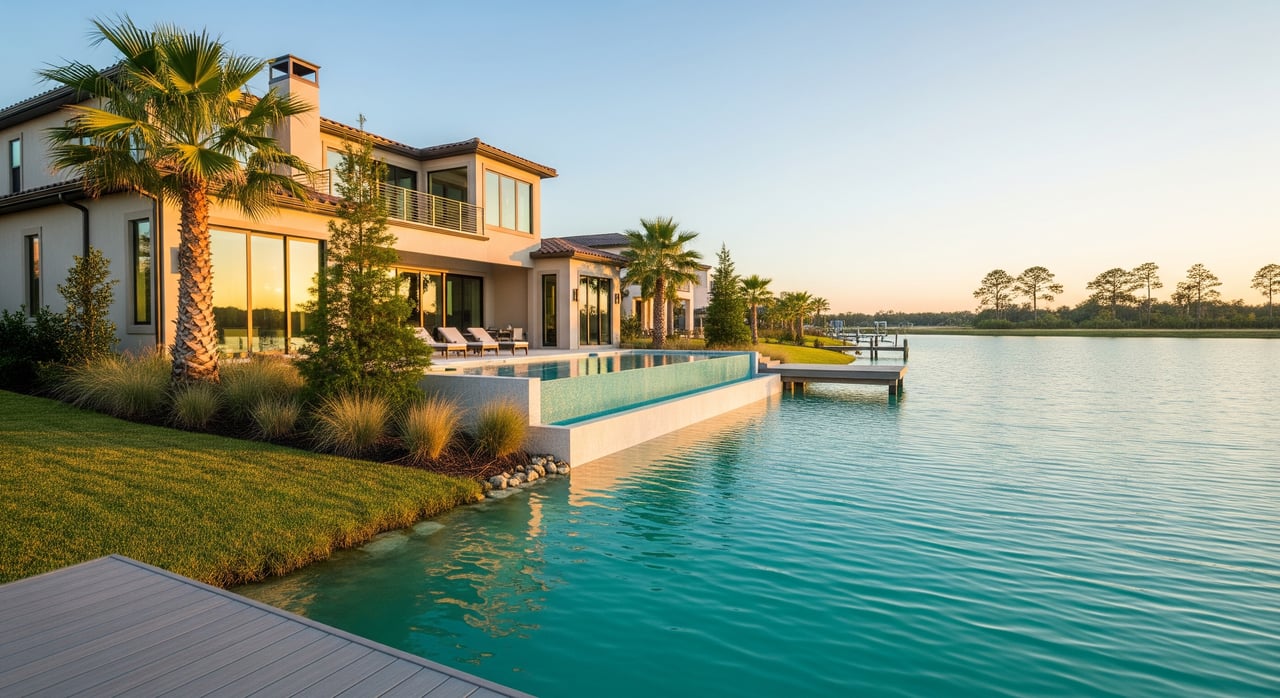
Picture stepping out your front door to a sparkling, swimmable blue lagoon, sandy beach areas, and a calendar full of activities right in your neighborhood. If you have been looking at Epperson and Mirada in Pasco County, you already know lagoon living feels different from a traditional subdivision. You want the fun, but you also want clear facts about access, fees, and long‑term value. In this guide, you will learn how lagoon communities work in Zephyrhills, what to compare at Epperson and Mirada, and how to verify details before you buy. Let’s dive in.
Lagoon living basics in Pasco County
Lagoon communities center around a large, engineered freshwater feature designed for recreation and views. You typically see sandy beach zones, swim areas, space for paddleboards or kayaks, and seating areas around the shore. Many include lifeguarded swim hours, though coverage and hours can vary by community.
Because the water is man‑made, it needs ongoing care. Maintenance often includes filtration and recirculation systems, shoreline upkeep, algae management, and regular water quality testing. This is one reason governance and fee structures matter. In Pasco County, permitting and stormwater oversight run through county and regional agencies, and flood zones are determined by FEMA maps. That local framework shapes how these master‑planned neighborhoods are built and maintained.
Epperson vs Mirada: how to choose
Epperson and Mirada are both master‑planned communities in the Zephyrhills area with a central lagoon experience. The right fit comes down to the details. Use the comparison points below to line up what matters most to you.
Lagoon access and design
- Access model: Ask whether there is a single central lagoon or multiple lagoons, and where your future home sits relative to the shoreline. Everyday access is a real lifestyle factor.
- Beach and safety: Confirm the size of sandy areas, whether entry is gradual, ADA accommodations, and any lifeguard hours.
- Water activities: Verify what is allowed in swim and paddle zones. Many lagoons limit activities to non‑motorized watercraft.
- Ownership and maintenance: Clarify whether the HOA or a third‑party manages the lagoon and how service is funded.
Clubhouses and recreation
- Facilities: Compare clubhouse size, fitness centers, event spaces, and any café or food service.
- Pools and wellness: Look for separate lap lanes, resort‑style pools, cabanas, and fitness programming.
- On‑site conveniences: Larger master plans may include commercial components. Ask about any planned shops or restaurants and their timeline.
Parks, trails, and family amenities
- Trails and green space: Ask about total trail mileage, playgrounds, dog parks, and sports courts.
- Connectivity: Confirm whether trails connect across phases or to regional routes.
- Schools: Check school assignments through the Pasco County School District and proximity of campuses to the neighborhood.
Services and community programs
- Events: Review sample event calendars for fitness classes, markets, and family‑oriented programming.
- Management: Ask if there is an onsite property management office and how maintenance requests are handled.
- Guests and rentals: Request the written rules on guest access, parking, and any short‑term rental restrictions.
Homes and builders: what to expect
Home types and floor plan ranges
Most lagoon master plans in suburban Tampa Bay offer a mix of product types:
- Single‑family detached homes on a range of lot sizes.
- Paired villas or duplex‑style homes with smaller yards and lower upkeep.
- In some cases, attached townhomes in mixed‑use areas.
Typical living area ranges include smaller homes or villas around 1,200 to 1,800 square feet, family homes around 1,800 to 3,000 or more, and move‑up or estate models from roughly 2,800 to 4,500 square feet or larger. Expect contemporary Florida architecture with open plans and indoor‑outdoor connections.
New construction vs resale
- New construction: You gain customization windows, new‑home warranties, and possible builder incentives. You accept construction timelines, potential nearby building activity, and sometimes delayed amenity access if a phase is still underway.
- Resale: You gain immediate access to completed amenities and a known HOA financial history. You trade off some control over finishes and accept normal wear from prior ownership.
Touring models and builder questions
- Confirm which builders are active in your preferred neighborhood or phase and how long current incentives last.
- Ask for a current sales map and detailed plat showing setbacks, easements, and drainage features.
- Review build quality items such as insulation, HVAC capacity, hurricane protection, and warranty coverage.
Fees, governance, and budgets
Lagoon communities often have several layers that cover operations and long‑term maintenance.
- HOA or POA: Dues typically fund common area landscaping, lagoon and clubhouse operations, security or staffed entries, and management.
- Community Development District (CDD): Many Florida master plans use a CDD to finance infrastructure through bonds that residents repay via assessments on property tax bills.
- Master and sub‑associations: A master association may manage the lagoon and shared amenities. Sub‑associations can govern neighborhood‑specific standards and services.
- One‑time items: New phases may require capital contributions or initiation fees at closing. Special assessments are possible in any community planning for major repairs.
What is usually included: lagoon and clubhouse operations, common landscaping, and security staffing. What may be separate: optional memberships for premium areas, irrigation on private lots, bulk internet or cable packages, and fines for rule violations. Always verify what your specific address owes by reviewing current budgets and recorded documents.
Insurance, flood, and water considerations
Living near a man‑made lagoon does not automatically place a home in a FEMA flood zone. You should still check your property’s FEMA flood map panel and request any available elevation certificates. If your lender requires flood insurance, you will want to compare coverage options early.
Homeowners insurance premiums depend on regional windstorm risk and property specifics. Ask your insurance agent whether lagoon proximity affects coverage in any way. For stormwater and water management context, it is also helpful to review county and regional permitting information tied to the master plan.
Timing your purchase around phases
Early phase benefits include better lot selection, early pricing, and more upgrade options. Risks include nearby construction, evolving amenity timelines, and fewer resale comparables. Later phase or resale purchases offer finished amenities, established governance, and clear comparables, although you may see fewer lot choices and fewer deep builder incentives.
If you want the lagoon from day one, focus on completed phases or resales that include access. If you want the latest floor plans and finishes, consider early phases and get timing protections in writing. You can also use purchase contract contingencies tied to amenity completion dates and clear disclosures about construction timelines.
Resale value drivers in lagoon communities
- Waterfront and view lots: Homes with lagoon frontage or views tend to command premiums.
- Proximity to amenities: Being near the clubhouse, pool, and parking can raise desirability for buyers who prioritize convenience.
- Orientation and outdoor living: Sun exposure and patio comfort affect day‑to‑day use and appeal.
- Financial health: Strong reserves and a clear maintenance plan support long‑term value. Ask for the most recent budget, reserve study, and meeting minutes.
Verify before you buy: Pasco checklist
Use this quick list to gather facts for either Epperson or Mirada.
- Community documents: CC&Rs, bylaws, rules and regulations, and architectural review guidelines.
- Financials: Current HOA or POA budget, reserve study, balance sheet, and most recent board meeting minutes.
- CDD details: Current CDD budget and bond disclosures, plus how assessments appear on the tax bill.
- Amenity operations: Lagoon maintenance plan, water quality testing protocol, algae control approach, dredging schedule, and the responsible party.
- Maps and permits: Recorded plats, approved site plans, and phasing maps from county planning records.
- Flood and insurance: FEMA Flood Insurance Rate Map for the property and any available elevation certificates; insurance quotes that factor in local windstorm exposure.
- Utilities and services: Trash schedule, irrigation source, internet and cable providers, and any bulk service contracts.
- Use restrictions: Short‑term rental rules, guest policies, and any restrictions on drones or watercraft.
Which community is your fit?
Both Epperson and Mirada offer a resort‑style take on suburban living in the Zephyrhills area. Start with how you want to use the lagoon day to day, then layer in clubhouse features, trails, and the social calendar that fits your lifestyle. Compare the fee structures and any CDD assessments, and review the budget and reserves so you understand how the community funds maintenance. Finally, match lot options, builders, and timing to your goals for move‑in and customization.
If you want local guidance from people who live and work in East Pasco every day, connect with our team. We can help you compare phases, budgets, and builder options and request the right documents so you can buy with confidence. Reach out to Coldwell Banker AquaTerra Realty to tour communities and request your free neighborhood and relocation guide.
FAQs
What is a lagoon community in Pasco County?
- A lagoon community is a master‑planned neighborhood built around a large engineered freshwater lagoon with beach areas, swim zones, and non‑motorized water activities, maintained through ongoing filtration and shoreline care.
How do fees work in Epperson or Mirada?
- Expect an HOA or POA for operations and, in many cases, a Community Development District that places assessments on your property tax bill; review budgets to see what is included versus optional.
Are lagoon amenities private to homeowners?
- Access rules vary, so confirm whether lagoon membership is included with your address, if any passes are required, and what guest policies apply.
Is the lagoon water safe for kids and pets?
- Ask for the written water quality testing protocol and any posted advisories, and review the lagoon maintenance plan for algae control and testing frequency.
Can I finance a home with a CDD assessment?
- Many Florida homes have CDDs, but underwriting varies by loan program; verify with your lender early in the process.
Are short‑term rentals allowed in these communities?
- Check the CC&Rs and community rules, since many HOAs limit short‑term rentals and may require minimum lease terms or approvals.
Can I fly a drone over the lagoon?
- Many HOAs restrict drone use for safety and privacy; review the rules and request written approval if required.
Who maintains shoreline areas next to homes?
- Responsibilities differ by community and lot type, so confirm whether the HOA maintains shoreline zones or if the homeowner is responsible for specific sections.