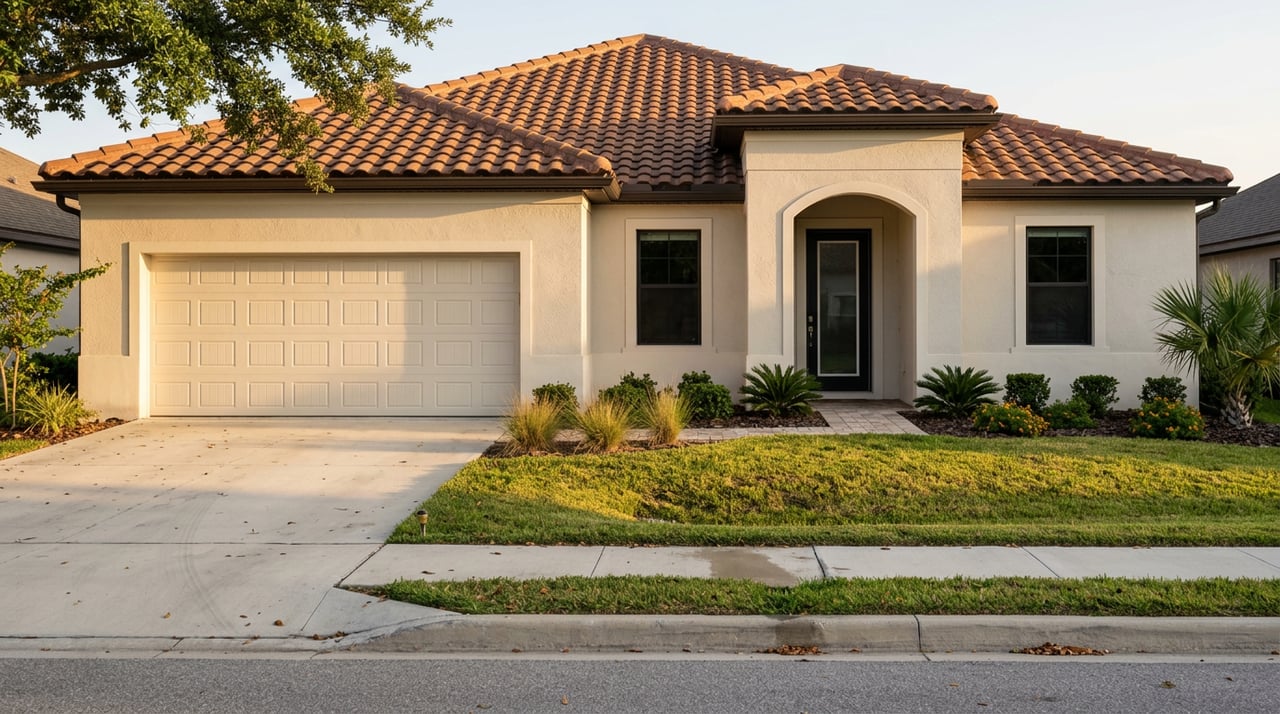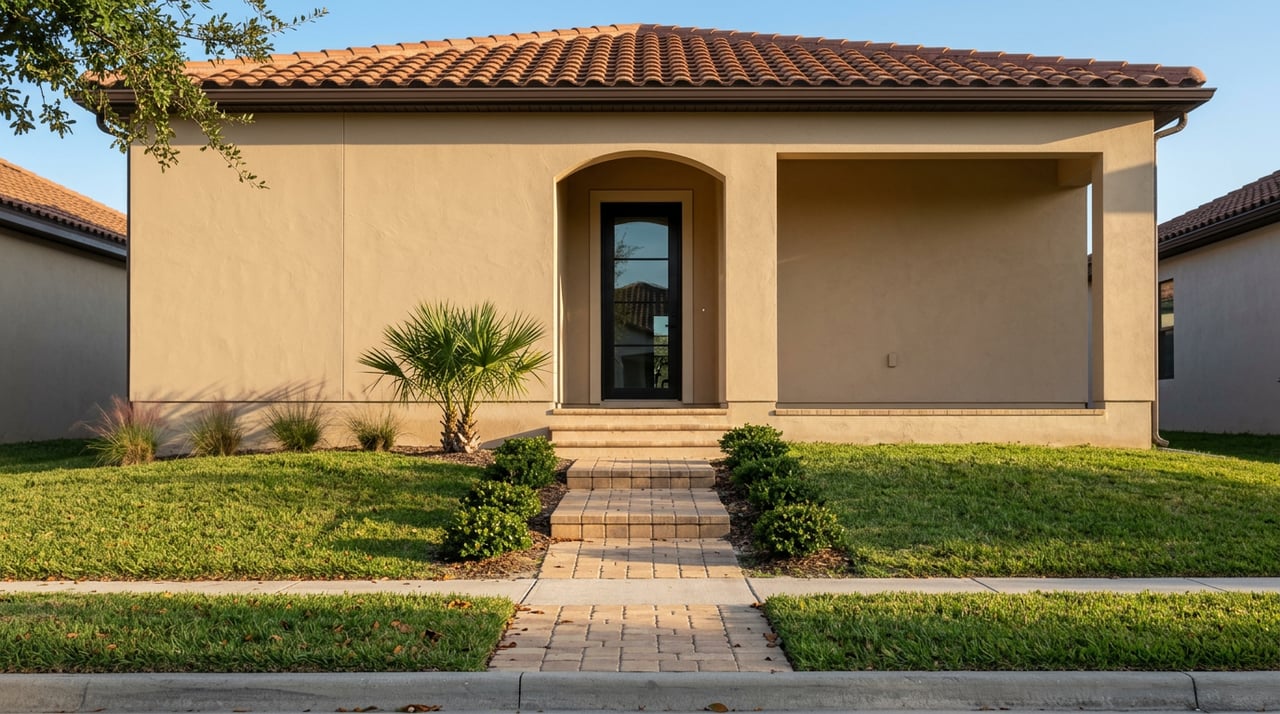
Ever looked at a listing in Pasco County and wondered why there is a separate line for a CDD? You are not alone. Community Development Districts can be confusing at first, especially if you are comparing new and master-planned neighborhoods. In a few minutes, you will understand what a CDD is, how the fees work, where they show up on your tax bill and closing documents, and how to compare communities with confidence. Let’s dive in.
What a CDD is in Florida
A Community Development District is a special-purpose unit of local government created under Chapter 190 of Florida law. Its job is to plan, finance, build, operate, and maintain community infrastructure within a defined area. Think roads, stormwater systems, water or sewer components where allowed, parks, landscaping, and amenity centers.
A CDD can issue tax-exempt bonds to fund big upfront costs, then repay those bonds with assessments on properties inside the district. It is not the same as a homeowners association. A CDD is a public entity with a board of supervisors, public meetings, and budgets you can review.
How CDDs work in Pasco County
In Pasco, most CDDs are formed early in a development’s life. The developer typically petitions to create the district, which is approved after public hearings. An initial board may be appointed, then residents elect supervisors over time.
Each district is responsible for the infrastructure listed in its formation documents and budgets. In Pasco County, CDDs commonly handle stormwater systems, roads, landscaped entries, trails, and amenities like pools and clubhouses. The exact mix varies by community.
Districts operate in the open. Budgets, audits, and meeting minutes are public records, and many districts post them on their websites. You can also find CDD assessment details through Pasco County tax and property records.
What CDD fees cover
CDD assessments usually come in two parts:
- Capital (bond) assessments to repay the bonds that funded infrastructure.
- Operations and maintenance (O&M) assessments to run and maintain the community over time.
Some districts place both parts on your annual property tax bill as non-ad valorem assessments. Others may bill the district portion directly. Costs vary widely by community, based on the size of the debt, number of homes sharing it, and the level of amenities. In many Pasco master-planned neighborhoods, combined annual assessments often land in the mid-hundreds to low thousands per year, but you need to confirm the exact amount for the specific home you are considering.
Example: How a CDD may affect your monthly payment
- Hypothetical annual CDD assessment on the tax bill: $1,800.
- If your lender escrows taxes, that could add about $150 per month to your escrow portion.
- If your HOA dues are $90 per month, your combined HOA plus CDD impact could be about $240 per month in this example.
This is an illustrative scenario only. Always request the current assessment schedule for the exact property you plan to purchase and confirm how your lender will handle escrow.
Where CDD charges show at closing
CDD-related items can show up in a few places on your Closing Disclosure. If a district requires a one-time capital contribution at closing, you will see it itemized, often labeled as a CDD or special district assessment. Your title company will request a payoff or assessment letter so the correct amount is collected.
If annual assessments are on the tax bill and have already been paid by the seller, you will usually see prorations. That way, the buyer and seller cover their share for the portion of the year they own the home. Labels on closing documents vary by local practice, so ask your lender and title agent to point out where CDD charges appear and who is paying each item.
How CDD fees show in monthly payments
If your CDD assessment appears on your property tax bill and your lender escrows taxes, your monthly escrow will include an amount for the CDD. Your annual escrow analysis will reflect this. If the district bills directly instead of using the tax bill, your lender may still require an escrow set-aside. If not, you will receive a separate bill from the district.
Lenders generally consider recurring assessments when they qualify your loan. Ask your lender how they will treat the district’s annual amount so you can plan your budget before you make an offer.
CDD vs HOA in Pasco
It helps to separate what each does, because you may have both.
- CDD: A public district under state law. It can issue bonds and levy non-ad valorem assessments. It often builds and maintains major infrastructure and amenities. Meetings and budgets are public.
- HOA: A private association under recorded covenants. It manages community rules, enforces standards, and may run private amenities. It collects dues but does not issue municipal bonds.
The practical takeaway is simple. A CDD assessment and HOA dues are separate and additive. When you compare neighborhoods, add both to your monthly and annual housing costs.
Buyer checklist for Pasco communities
Use this step-by-step list for each home you are considering:
- Confirm if the property is in a CDD. Ask the listing agent and check Pasco County tax records for non-ad valorem lines showing the district name.
- Request a CDD payoff or assessment letter. Your agent or title company can obtain it so you know what is due now and each year.
- Review the district’s latest budget, audit, and assessment schedule. Look for how costs are allocated and any planned changes.
- Find out if the capital assessment is paid at closing or over time on the tax bill. Confirm who pays at closing based on the contract.
- Ask your lender about escrow for the CDD. Confirm how it will affect your monthly payment.
- Compare total costs. Add mortgage, taxes, insurance, HOA dues, and CDD assessments to see the real monthly and annual picture.
- Read recent board meeting minutes. Look for planned projects, special assessments, or potential increases.
- Ask about bond debt and maturity. Refinancing or refunding can change annual amounts.
- Clarify what the CDD covers versus the HOA. This helps you understand what each fee funds.
- Confirm long-term ownership of roads and facilities. Transfers to the county can change future maintenance responsibilities.
Where to verify details locally
You can confirm CDD status and amounts through several public sources. Check Pasco County property and tax records for non-ad valorem assessments. Review the district’s website for budgets, audits, minutes, and assessment schedules. The Florida Special District Accountability Program also lists district contacts and accountability resources.
If something is unclear, ask your title company to request a written assessment letter from the district. That document is your best snapshot of what is due now and how the district bills going forward.
Selling a home in a CDD
If you are selling, disclose the presence of the CDD and provide your most recent tax bill or district statement. Your buyer’s lender and title company will request a payoff or assessment letter to settle any amounts due at closing. Your contract will specify who pays a one-time capital amount if one is required at closing, so review that section with your agent.
How we help you compare communities
You should not have to decode CDDs on your own. A local, full-service team can pull district records, line up assessment letters, and coordinate with your lender and title company so there are no surprises. We also help you compare total monthly costs across multiple neighborhoods, including HOA and CDD differences, so you can choose the best long-term fit.
Ready to explore Pasco County with clarity and confidence? Connect with Coldwell Banker AquaTerra Realty and request your free neighborhood and relocation guide. We will help you zero in on the right community, understand the full cost picture, and move forward with confidence.
FAQs
What is a CDD in Pasco County?
- A Community Development District is a public entity under Florida law that finances, builds, and maintains community infrastructure, then funds it with assessments on properties within the district.
How much do CDD fees usually cost in Pasco?
- Amounts vary widely by community and lot type; combined annual assessments often range from the mid-hundreds to low thousands, so always verify the current schedule for the specific property.
Do I pay a CDD and an HOA?
- Often yes, because they fund different things; CDD assessments support infrastructure and major amenities while HOA dues fund rules enforcement and private community operations.
Do CDD fees affect my mortgage payment?
- If your lender escrows taxes and the CDD is on the tax bill, your monthly escrow will include it; if billed directly, your lender may require an escrow set-aside or you will pay the district separately.
Where will CDD charges appear on my Closing Disclosure?
- They can appear as a one-time capital item, as prorations, or under other costs depending on local practice; ask your title agent to point out each line tied to the district.
Are CDD assessments tax-deductible?
- Non-ad valorem assessments for capital improvements are typically not deductible like property taxes; consult a qualified tax advisor for guidance on your situation.
How do I confirm if a home has a CDD?
- Check Pasco County property and tax records for non-ad valorem lines listing the district name, ask the listing agent, and request a written assessment letter from the district.